
Check Out Our Blog
Our blog is updated regularly with advice from our insurance claim advocates, helping you stay informed about industry trends. Visit this page regularly for updates!

Most homeowners unknowingly commit "fatal mistakes" during the claims process that lead to denied, delayed, or significantly underpaid insurance claims.

Lower premiums don't mean easier claims in Florida. Understand the challenges & contact us for expert help navigating your insurance claims.

Understand reinspections for insurance claims. Prepare effectively & know when to hire a public adjuster to ensure accurate assessments.
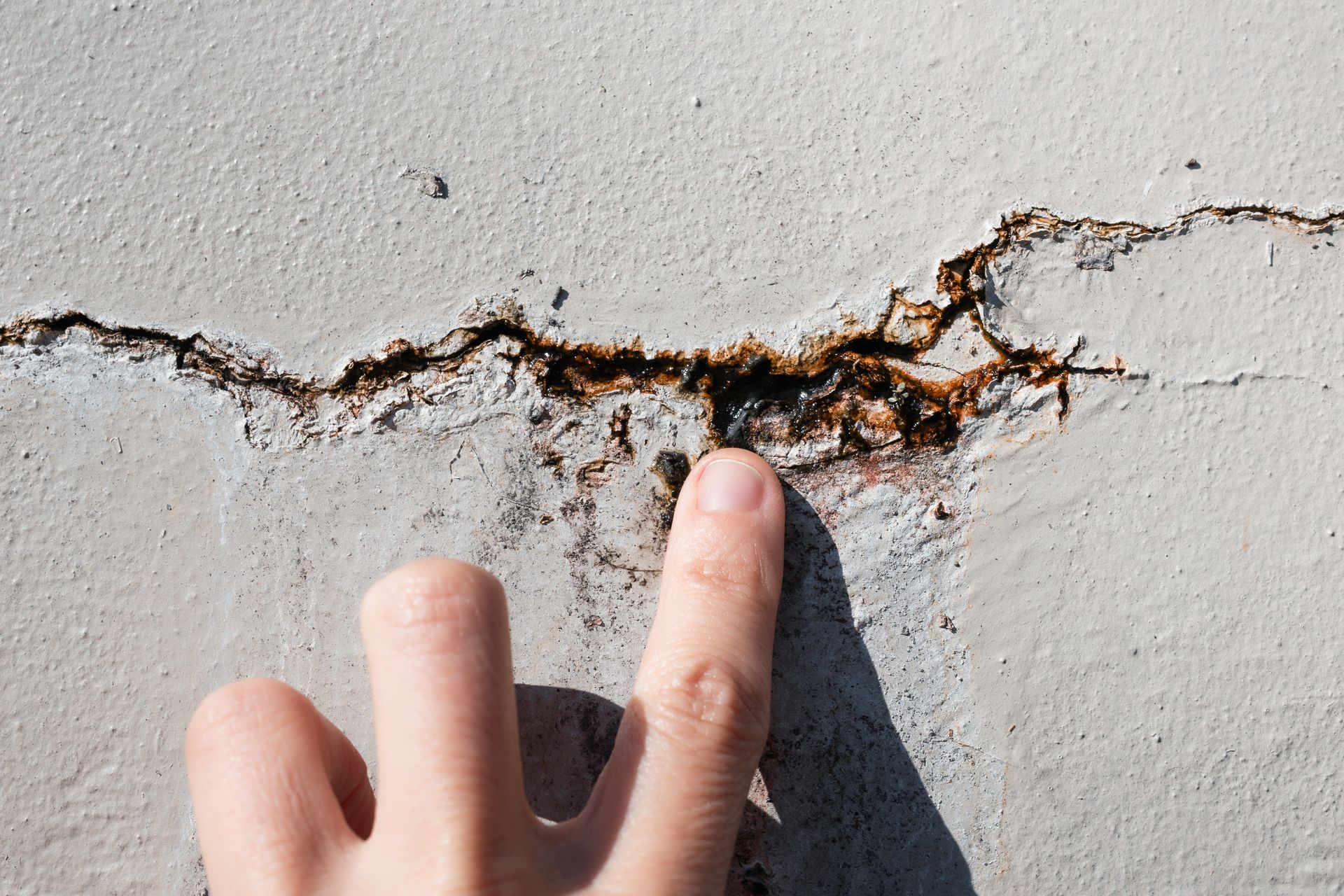
The #1 Mistake Florida Property Owners Make After a Loss When property damage happens — roof leak, hurricane, fire, flood — most homeowners assume one thing: “The insurance company will handle it fairly.” Sometimes they do. But many times? The claim is underpaid, mis-scoped, or quietly closed before the full damage is documented. And by the time the owner realizes it… months have passed. The Problem: What You Don’t See Can Cost You Thousands Insurance carriers rely on adjusters who may spend less than an hour at your property. Hidden damage is common in: Wind-driven rain events Tile roof systems Flat commercial roofing Water intrusions behind cabinets or walls Hurricane-related uplift and fastener damage If it isn’t documented properly, it usually doesn’t get paid. And once repairs begin, it becomes much harder to prove what was missed. What a Public Adjuster Actually Does (That Most People Don’t Realize) A licensed Public Adjuster works for the policyholder — not the insurance company. Our job is to: • Interpret your policy (coverage, exclusions, endorsements) • Conduct a detailed damage assessment • Create an accurate repair scope • Use estimating software aligned with carrier pricing • Present and negotiate the claim • Push back on improper denials or underpayments This isn’t “inflating” claims. It’s making sure the claim reflects the true cost to restore the property. Common Red Flags in Underpaid Claims If any of these apply to you, your file may need review: Roof approved for repair when contractor recommends replacement Interior damage not fully scoped Overhead and profit removed Code upgrades excluded Matching issues denied Claim closed quickly with limited explanation These are not rare situations in Florida. They are common. Why Timing Matters In Florida, there are statutory deadlines to: Report claims File supplemental claims Initiate disputes Waiting too long can permanently limit recovery options. If you feel unsure about your settlement, it’s better to review it now than regret it later. When Should You Call a Public Adjuster? You should consider professional representation if: ✔ The claim is large ✔ The carrier is pushing back ✔ The scope feels incomplete ✔ You don’t have time to manage the process ✔ You’re a commercial property owner Many clients call us after they’ve already accepted an initial payment — and we help reopen and supplement the claim. Florida Property Owners Deserve Full Recovery — Not Guesswork Insurance is a contract. If premiums were paid, the policyholder deserves to understand: What is covered What is owed What options exist The process should be transparent. If it’s not, that’s usually a sign something needs attention. Need a Claim Review? If you’re a homeowner or commercial property owner in Florida and you’re unsure whether your claim was handled properly, we offer a claim review consultation. No pressure. Just clarity. 📞 Schedule a call today 📍 Serving Central Florida and statewide

Why You Need a Public Adjuster Managing Your Claim

Insurance Claim Timeline: How Long Does a Property Damage Claim Take? If your home was damaged by a storm, roof leak, fire, or water loss, one of the first questions you’ll ask is: “How long will my insurance claim take?” The truth is: every claim is different, but most property damage claims follow a predictable timeline. Understanding the process helps homeowners avoid delays, mistakes, and underpaid settlements. Below is a complete breakdown of the typical insurance claim timeline , step-by-step. Step 1: Damage Happens (Day 0) A covered loss occurs, such as: Hurricane or wind damage Roof leaks Water damage from plumbing Fire or smoke damage Mold issues (if related) Your first priorities should be: Safety Stopping further damage Documenting what happened Step 2: File the Claim (Within 1–7 Days) Most homeowners file a claim within the first week. You’ll contact your insurance company and provide: Date of loss Cause of loss Description of damage Photos (if available) Emergency mitigation actions taken Tip: Delayed reporting can create problems or denial risk. Step 3: Insurance Adjuster Inspection (7–21 Days) After the claim is opened, the carrier assigns an adjuster. They may inspect: Roof Interior water staining Structural issues Contents damage This inspection is critical because it shapes the insurance estimate. Step 4: Estimate & Initial Offer (2–6 Weeks) After inspection, the insurance company prepares a repair estimate. Homeowners often receive a settlement offer that may be: Missing damage Under-scoped Not code-compliant Too low for contractor pricing This is where many claims start going off track. Step 5: Negotiation & Supplements (1–3 Months) If the homeowner or contractor finds additional damage, they may submit supplements. Common examples: Hidden roof decking damage Increased material costs Permit/code upgrades Mold remediation needs This stage can extend the claim timeline significantly. Step 6: Payment Issued (30–90 Days Typically) Most straightforward claims are paid within 30–90 days. However, delays happen when: Documentation is incomplete The carrier disputes scope Claims are underpaid The homeowner misses deadlines Weather events create backlog Florida storm seasons often cause longer timelines. Step 7: Reopening or Disputing a Denied Claim (3–12 Months) If your claim is denied or severely underpaid, it may require: Reinspection Appraisal Public adjuster involvement Attorney escalation Many homeowners don’t realize claims can often be reopened when handled correctly. How a Public Adjuster Can Speed Up and Increase Your Settlement A licensed public adjuster helps prevent delays by handling: ✅ Full damage documentation ✅ Accurate Xactimate estimating ✅ Code-compliant repair scope ✅ Carrier negotiation ✅ Underpayment dispute support At ClaimAssistFL , we work to make sure homeowners aren’t left waiting months for a fair result. Free Claim Timeline Review Not sure where your claim stands or why it’s taking so long? We offer free consultations for homeowners dealing with: Storm damage claims Roof underpayment Delays or low offers Denied insurance claims 📞 Contact ClaimAssistFL today to review your claim timeline and settlement options.

This is a subtitle for your new post
New Title
Is hiring a Public Adjuster right for Your Claim?